Table Of Content
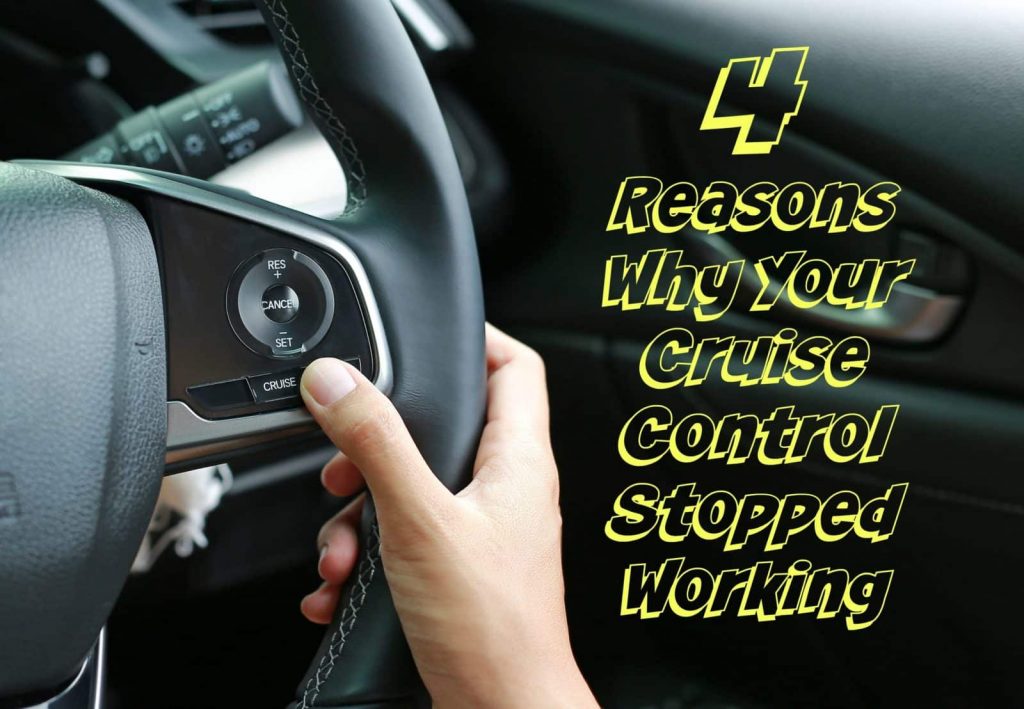
Ensure that the sensors, often located in the front grille or under the mirrors, are clean and unobstructed. For system malfunctions, professional diagnostics are essential, as these systems involve advanced electronics and software. It’s not advisable to use cruise control in hazardous weather or heavy traffic. Heavy, or stop-and-go traffic is not ideal for safely using cruise control. When engaging cruise control on the highway, ensure your lane is clear and there are no vehicles stopping ahead. As mentioned, cruise control may become inconsistent in rainy, snowy, or otherwise hazardous conditions.
Types of Cruise Control Systems
In the picture above, you can see two cables connected to a pivot that moves the throttle valve. One cable comes from the accelerator pedal, and one from the actuator. The driver must manually bring the vehicle up to speed and use a button to set the cruise control to the current speed.
Cruise Control Settings
During peak traffic hours, the driver can save themself from fatigue. Most systems will prevent the vehicle from increasing engine speed to accelerate beyond the chosen speed. However, they will not apply the brakes in the event of overspeeding downhill, nor stop the car from going faster than the selected speed even with the engine just idling. Accelerating with the cruise control system in a car is like using the pedal in terms of acceleration rates and should feel familiar. Slowing down is akin to taking your foot off the gas and won’t slow the car as fast as applying the brake. When decelerating using the cruise control, give yourself adequate time to change speeds or use the brakes to slow down and hit the “set speed” button again.
Wet or Icy Conditions
Cruise control is designed to be used on A-roads and motorways that don’t have frequent stops and turns to negotiate. Founded in 1937, Progressive is the third largest personal car insurer in the U.S. with over 26 million drivers enrolled. Life Lanes helps you do just that, from owning a car and home to other life moments and adventures.
However, you need to manually control the gear shifts when the vehicle slows down or accelerates when the system is engaged. Adaptive cruise control is the more advanced version of the standard automatic cruising system. Sometimes you may get confused between cruise control and speed limiter as both are related to the car's speed. Refer to the table below to understand the difference between both the systems. You may install an aftermarket kit if it’s an old car that does not rely on electronics to control all the engine-related functions. But installing such a kit becomes almost impossible in modern cars due to the complex electronics.
What is adaptive cruise control?
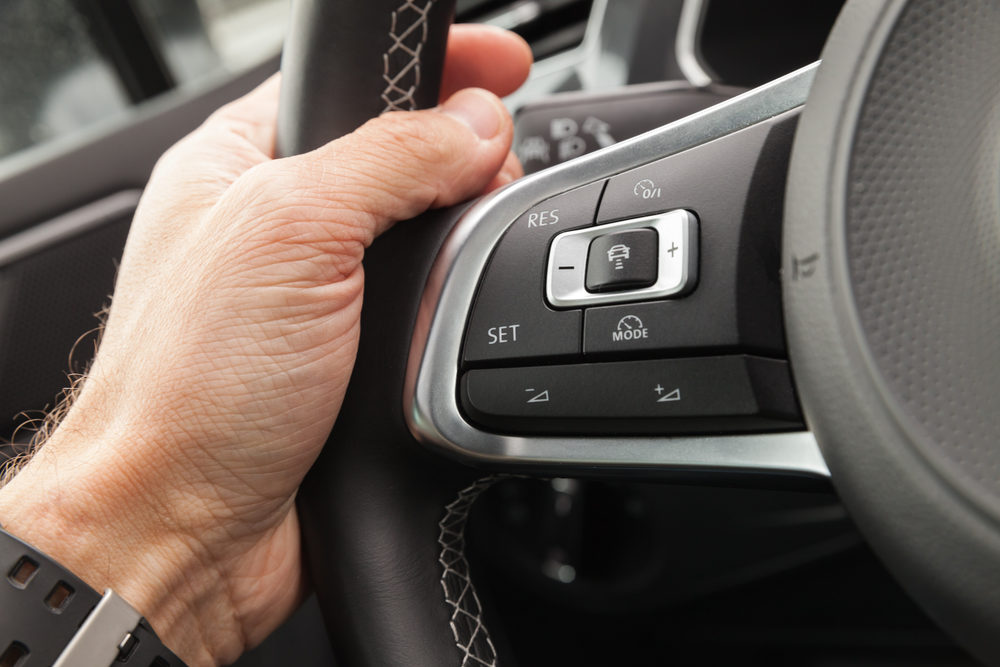
The reason is that there are certain things human drivers are better at than their machine counterparts, and adjusting speed subtly in response to changes in elevation is one of them. Experienced drivers, of course, will probably be familiar with the basics of what cruise control does, even if they haven't really used it themselves. Rather more complex than that, though, is the question of exactly how it keeps the vehicle moving at a specific speed. If you've ever wondered how cruise control works, what the pros and cons of using it are, how it's developed since its introduction, and/or when to use it, this is just the piece for you.
If you must drive in this situation, it may be a better idea to do so manually. Overall, the future of cruise control technology holds promise for creating a more seamless and enjoyable driving experience, with a focus on safety, comfort, and sustainability. Occasionally, you may encounter issues with your cruise control systems. Common problems include cruise control not engaging or disengaging unexpectedly.
Cost Effective Cars
Cruise control is meant to be used on straight stretches of roads and highways. Although these systems vary by vehicle make and model, they usually consist of the same or similar components. It’s important to balance the use of cruise control with active driving engagement, ensuring that safety is always the top priority. Remain vigilant and ready to deactivate cruise control instantly in case of an emergency or changing traffic conditions. When cruise control is no longer needed, or you need to quickly make a maneuver, simply apply pressure to the brakes to disengage the system. Once deactivated, you will be in full control of your vehicle once again.
Cruise control is a system that allows the driver to set their car to drive at a specific speed. The driver selects the speed, then takes their foot off the accelerator, and the vehicle will cruise at the set speed. To deactivate, the driver can tap the brakes or disengage the system. The benefits of using the cruise control feature are better fuel efficiency and reduced foot fatigue during long drives. A speed limiter will limit how fast the driver can accelerate behind the wheel. All modern vehicles contain a standard speed limiter capping speed between 120 mph and 180 mph depending to protect the vehicle’s engine and discourage reckless driving.
Adaptive cruise control improves upon conventional cruise systems by not only maintaining a preset speed, but also by automatically keeping a safe distance between your car and the vehicle in front of it. Using forward-pointed sensors, cameras, or both, adaptive cruise control maintains your preset speed while constantly monitoring the vehicle in front of you. However, the kicker is, it automatically slows and accelerates to maintain a predetermined following distance. More sophisticated adaptive cruise control systems can bring your car to a full stop If necessary. Even more advanced systems will automatically get your vehicle moving again once the car ahead travels forward, though sometimes with the tap of the gas pedal. To use cruise control, you can typically press buttons on your steering wheel to activate the system, set your speed, adjust your speed up or down within the system, and deactivate the system.
According to the Department for Transport, driving at a steady speed of 50 mph instead of 70 mph can improve fuel economy by 25%. The primary function of cruise control is to make driving more comfortable, but by smoothing out acceleration and deceleration you can save fuel too. Modern-day cruise control was invented in 1948 by blind American mechanical engineer Ralph Teetor, although speed control has its roots in the 18th century when it was used to regulate steam engines. Cruise control technology not only adds convenience to driving but also significantly impacts safety and efficiency. This section delves into the real-world implications of using cruise control, supported by safety statistics and research findings.
Using cruise control lets you set a speed for your car to maintain even if you take your foot off the gas. Cruise control can also prevent speeding and increase fuel efficiency by limiting unnecessary acceleration and braking. The new technology also allows the system to automatically adjust the car's speed depending on the speed of the vehicle ahead.
From cruise control to self-driving mode: A history of automated car innovations - Rapid City Journal
From cruise control to self-driving mode: A history of automated car innovations.
Posted: Wed, 01 Nov 2023 07:00:00 GMT [source]
It ensures that the engine takes in the exact amount of air required to continue cruising at the set speed. In many cars, the actuator is powered by a small electronically controlled vacuum valve instead of being controlled by a cable. The vacuum pressure holds the position of the throttle, allowing hands-free cruising of the car. Cruise control is best suited for long drives on large, straight roads such as an interstate highway with cars traveling at a relatively constant speed. It’s inappropriate in stop-and-go traffic; when weather conditions are snowy, icy, or even heavy rain; on narrow, curvy roads; or with frequent speed limit variations. The time and attention it takes to disengage the cruise control in these situations could lead to a crash.

It’s designed for convenience and safety, providing a balanced mix of automation and driver control. Ford’s Co-Pilot360 includes adaptive cruise control with stop-and-go and lane-centering. It’s less about hands-free driving and more about reducing driver fatigue and enhancing safety.
So, instead of investing in retrofitting a system, it's better and safer to spend that money on buying a car with a built-in system. Because you don’t have to keep your foot on the accelerator, it’s easier to nod off – and lose control of your vehicle. On slippery roads – that includes snow, ice, heavy rain and hailstorms – as this increases the chances of sliding.
Since you aren't putting your pedal to the metal, obviously, the vehicle needs to bridge this missing link. To replace your foot pressing against the accelerator, your car deploys the action needed to activate the accelerator valve to maintain the speed you've set for the car. Mercedes-Benz DRIVE PILOT system pushes towards Level 3 autonomy, allowing drivers to hand over control under certain conditions, like heavy traffic or on highways. It uses a sophisticated array of sensors and cameras, offering a smooth and intuitive driving experience. It’s more advanced than traditional systems but still requires driver attention. One of the main advantages of using cruise control is improved fuel efficiency.




No comments:
Post a Comment